







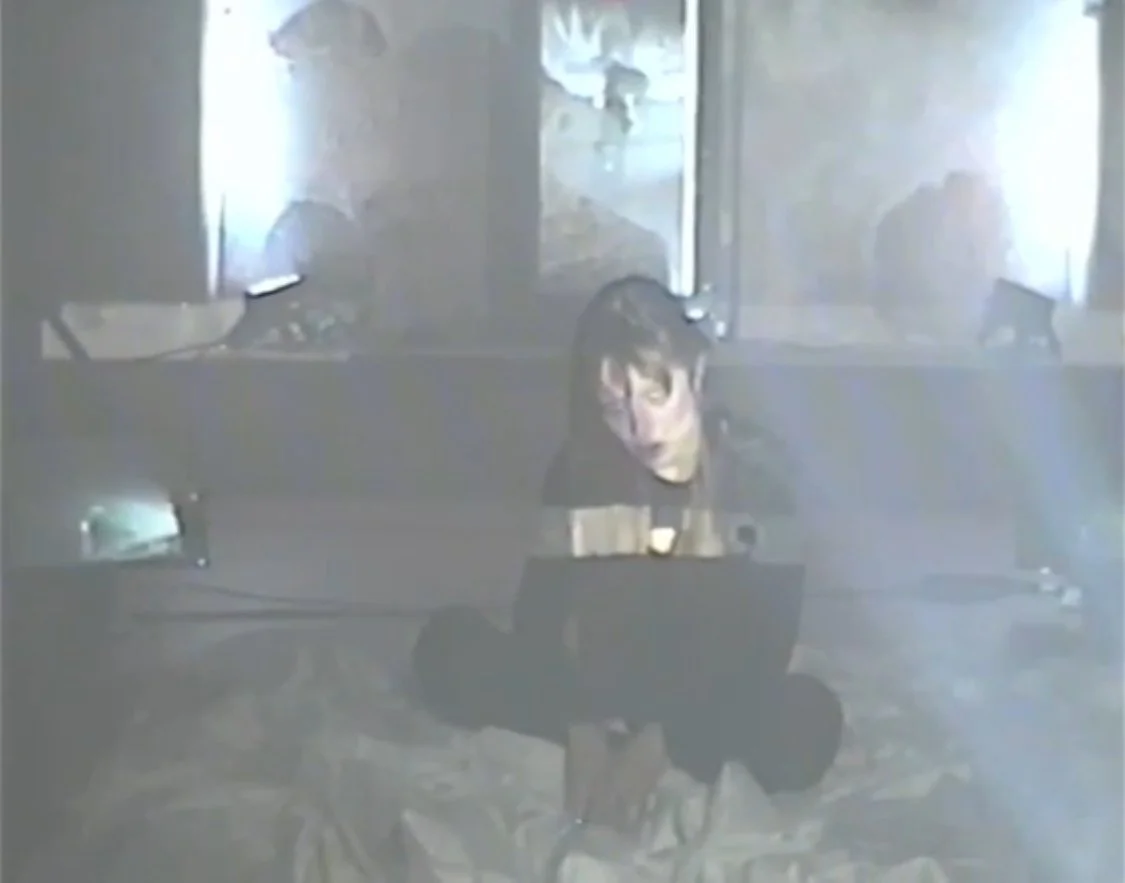


Bitch Goddess
Lithuanian Photographer’s Union as part of Cannibalisms with Ana Lipps (2025)
Set Design and Performance Direction: Ella Skinner
Performers: Ella Skinner, Alina Pilecka, Žygimantas Vainauskas
Musical Score: Finn McCory
Technical Assistance: Sophie Durand, Pip Lewi, Tula Kristina
Kaunas Performance Festival as part of Cannibalisms with Ana Lipps & Irina Komissarova (2025)
Set Design and Performance Direction: Ella Skinner
Performers: Haya Pham, Katsiaryna Zmitrovich, Žygimantas Vainauskas
Musical Score: Finn McCory
Curator: Edvinas Grinkevičius (Kaunas Artists House)
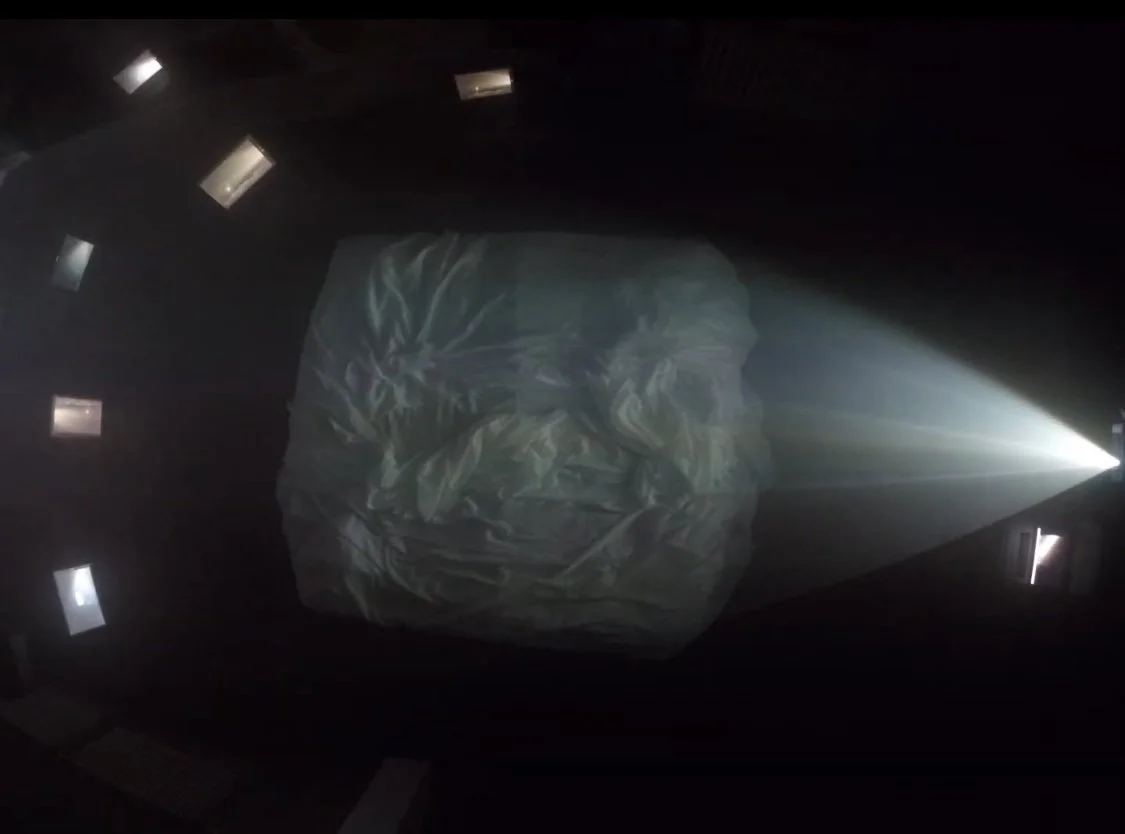
Bitch Goddess forms part of Cannibalisms, a performance and scenography triptych by Ella Skinner, Anna Lipps, and Irina Komissarova, which unites three previously independent works into a cohesive three-part performance.
Cannibalisms explores how bodies, identities, and forms of agency are consumed, commodified, and erased within systems of internet surveillance. Through its visceral and theatrical language, the project opens a space for rage, catharsis, and collective healing—embracing the grotesque as a mode of truth-telling. The artists harness the transformative power of horror and fantasy to provoke dialogue around real-world violence and injustice.
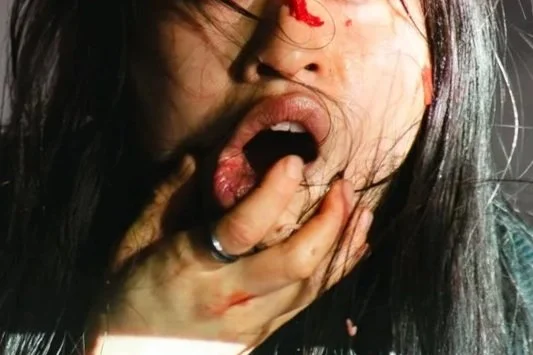
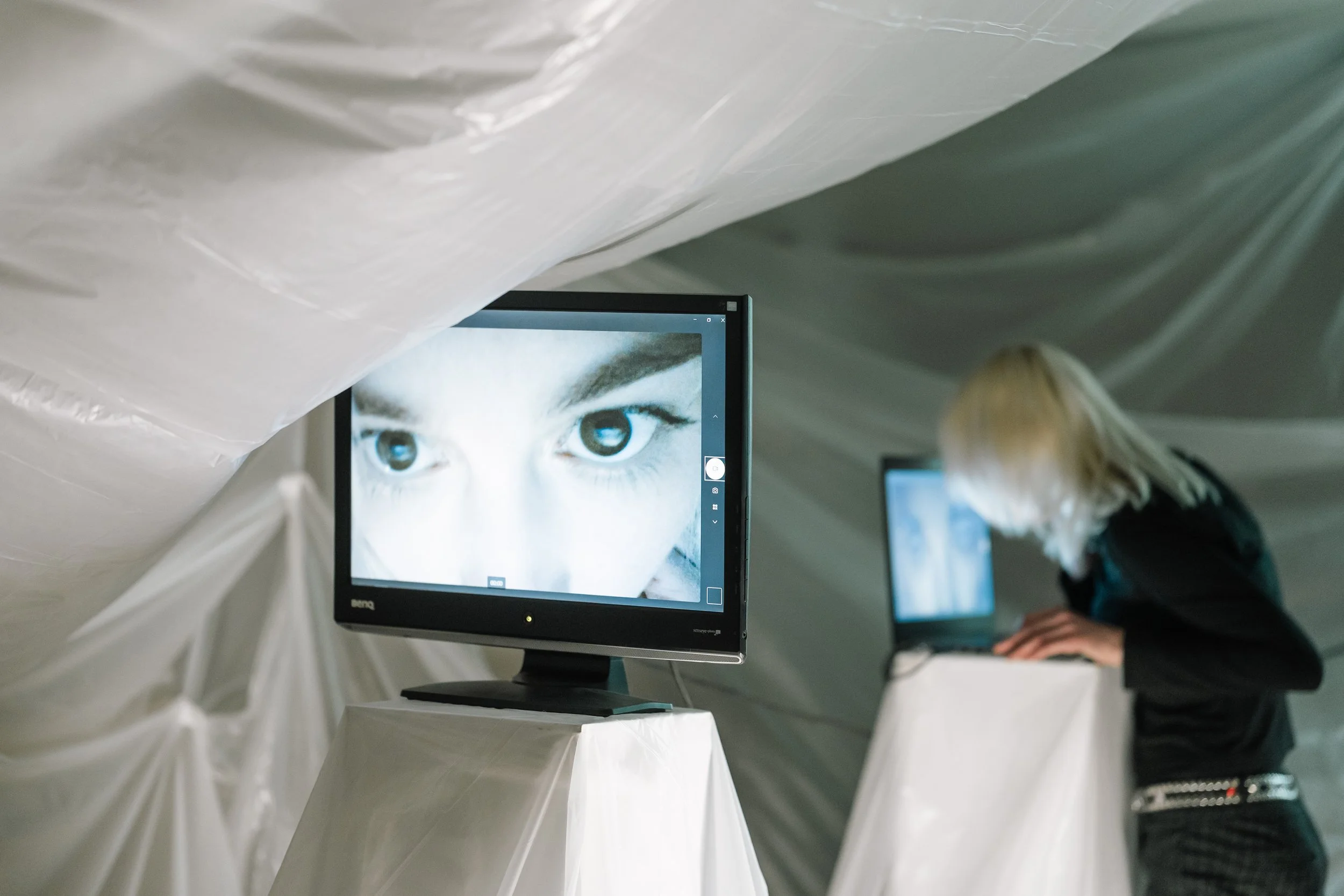
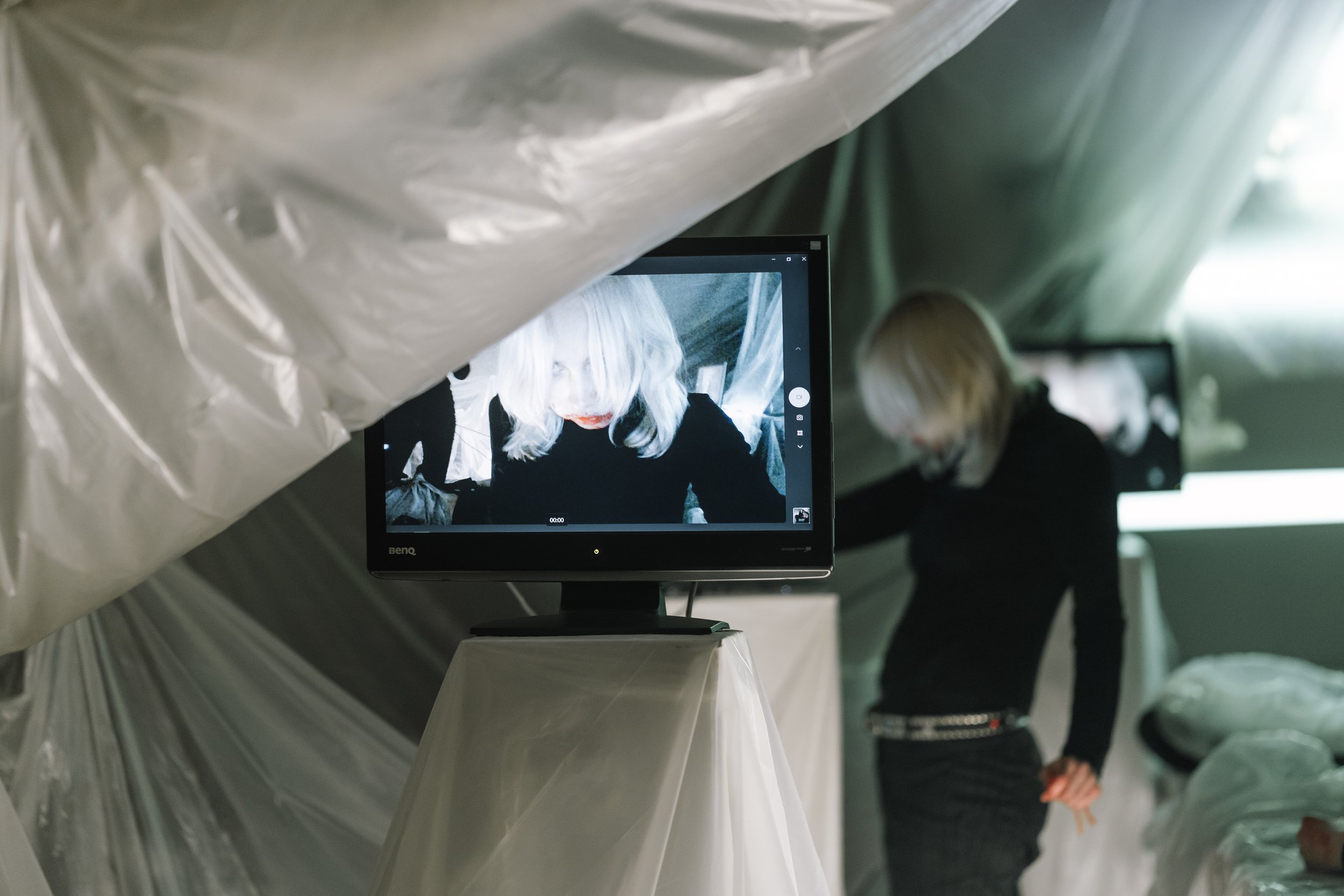
Ella Skinner’s Bitch Goddess takes its title from Ann Quin’s feverish novel Berg, in which warped visions of womanhood fuel a failed Oedipal fantasy. Drawing from Quin’s portrayal of the “Bitch Goddess”—a woman both divine and degraded—Ella Skinner turns this delusion back on itself to expose how contemporary European performance often fetishises female suffering. Observing the persistent aestheticisation of women’s pain as spectacle, Skinner crafts a brutal parody of this dynamic, shaped in part by her own experiences of sexual harassment and online objectification. In Bitch Goddess, two performers spiral into a feedback loop of self-image and spectatorship, becoming avatars of misogynistic fantasy whose hunger erupts into violence. Combining excessive gore, repetition, cannibalism, and the raw pulse of UK bassline and garage—a working-class rave sound rejected by Britain’s elite pop culture—the piece confronts the impossibility of escaping the gaze, instead weaponising parody to reveal its persistence.
The sound for this performance was developed in collaboration with DJ Finn McCory, blending original material with transformed fragments of tracks by T2, JTJ Productions and Tedee. Conceived as part of the work’s sonic and conceptual landscape rather than a standalone musical release, the composition recontextualises existing sounds within a live, research-based performance environment. All sound materials are used respectfully and within a research-based, non-commercial performance context.